Whale Watching in the Great Bear Rainforest: Humpbacks, Orcas & the BC Coast's Wildest Sea
Thursday, June 4, 2026
Spirit Bear Lodge lies in the heart of the Great Bear Rainforest and the Great Bear Sea, which is home to one of the world’s healthiest marine ecosystems with abundant biodiversity. It is one of the most scenic areas to encounter whales on the BC coast.
The Great Bear Sea is a pristine cold-water ecosystem that creates prime feeding grounds for several species of whales.
Our favorite and most common sightings at Spirit Bear Lodge are Humpback whales and Orcas. Some less common sightings would include Minke whales, Grey whales, Fin whales, and other cetaceans.

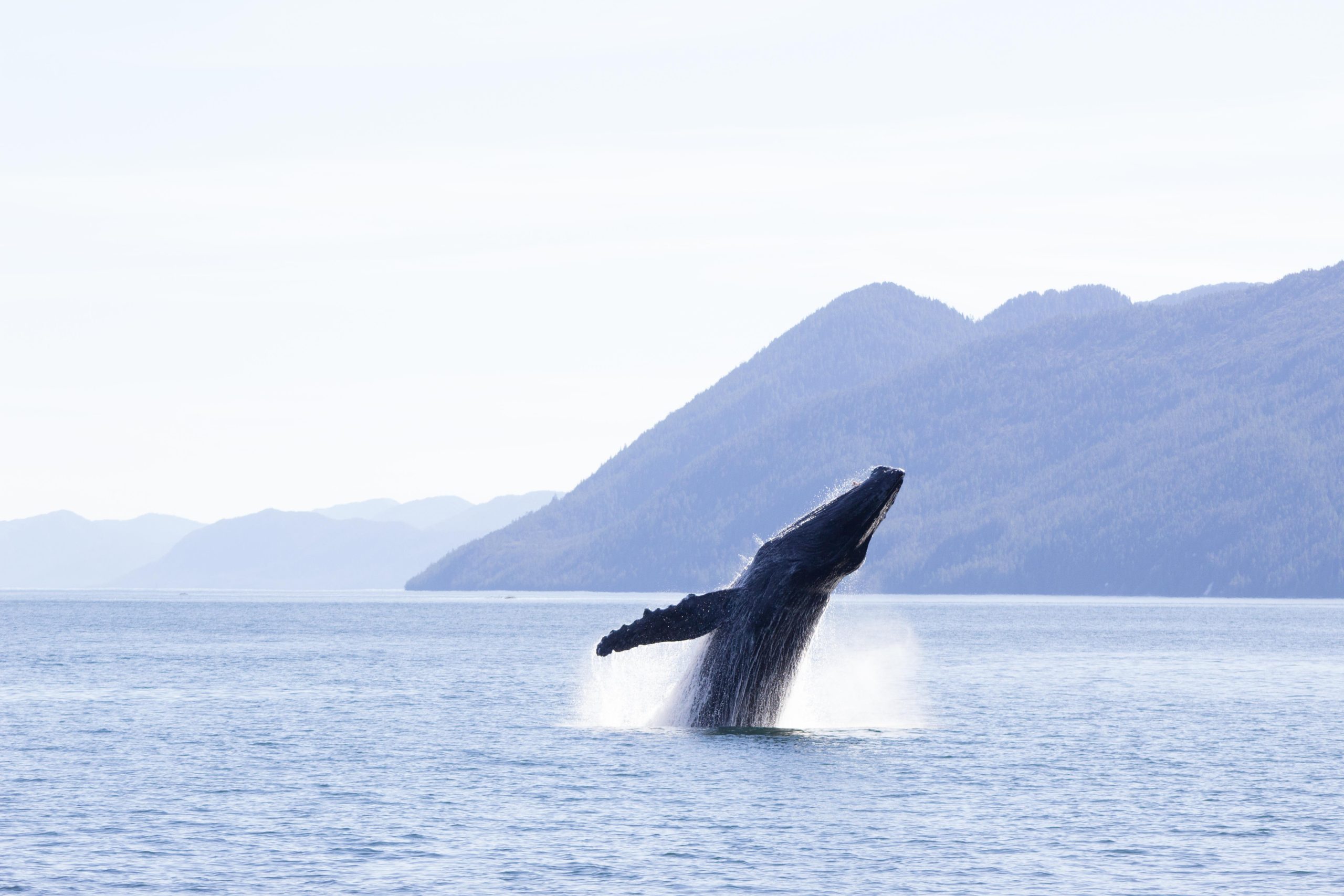
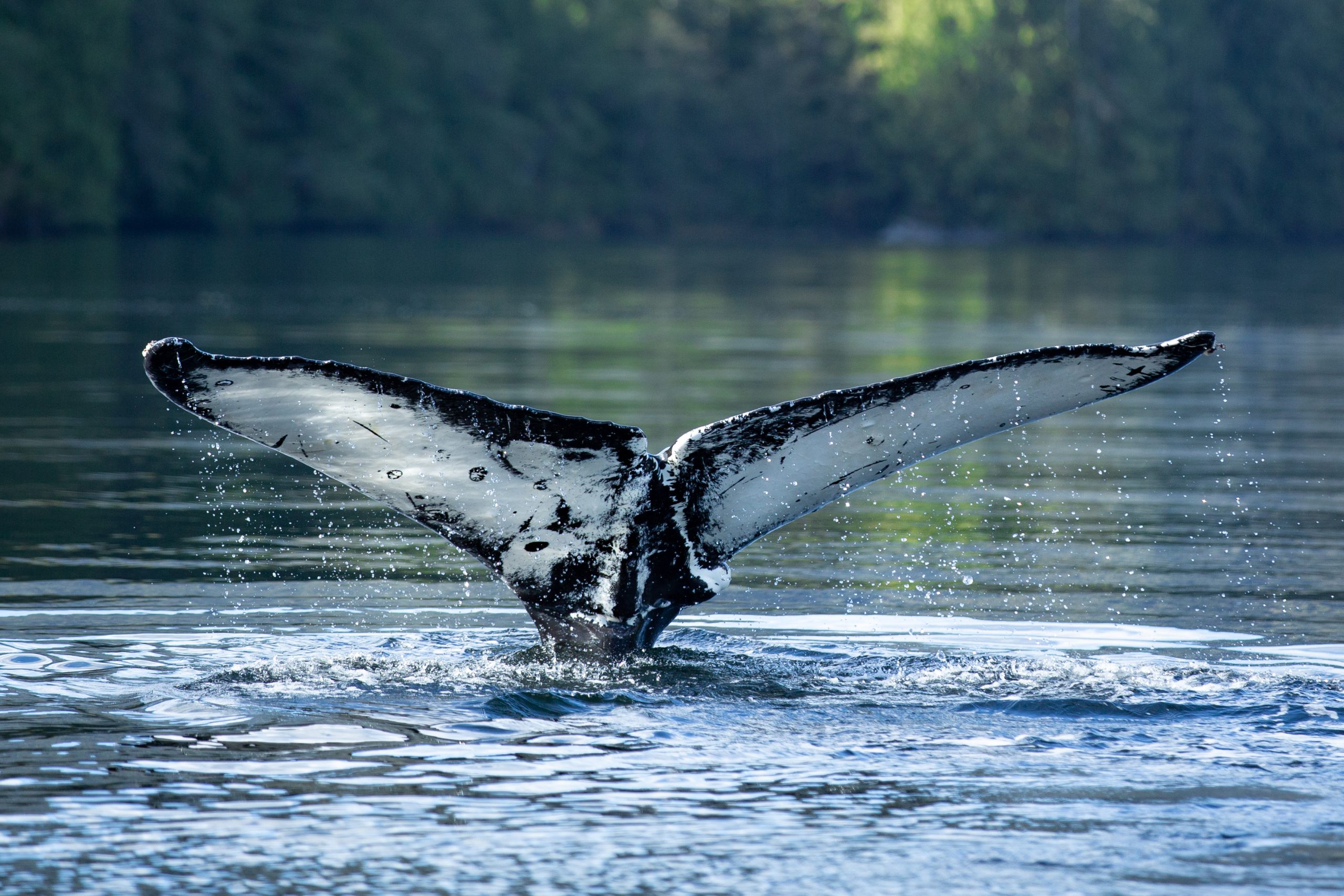
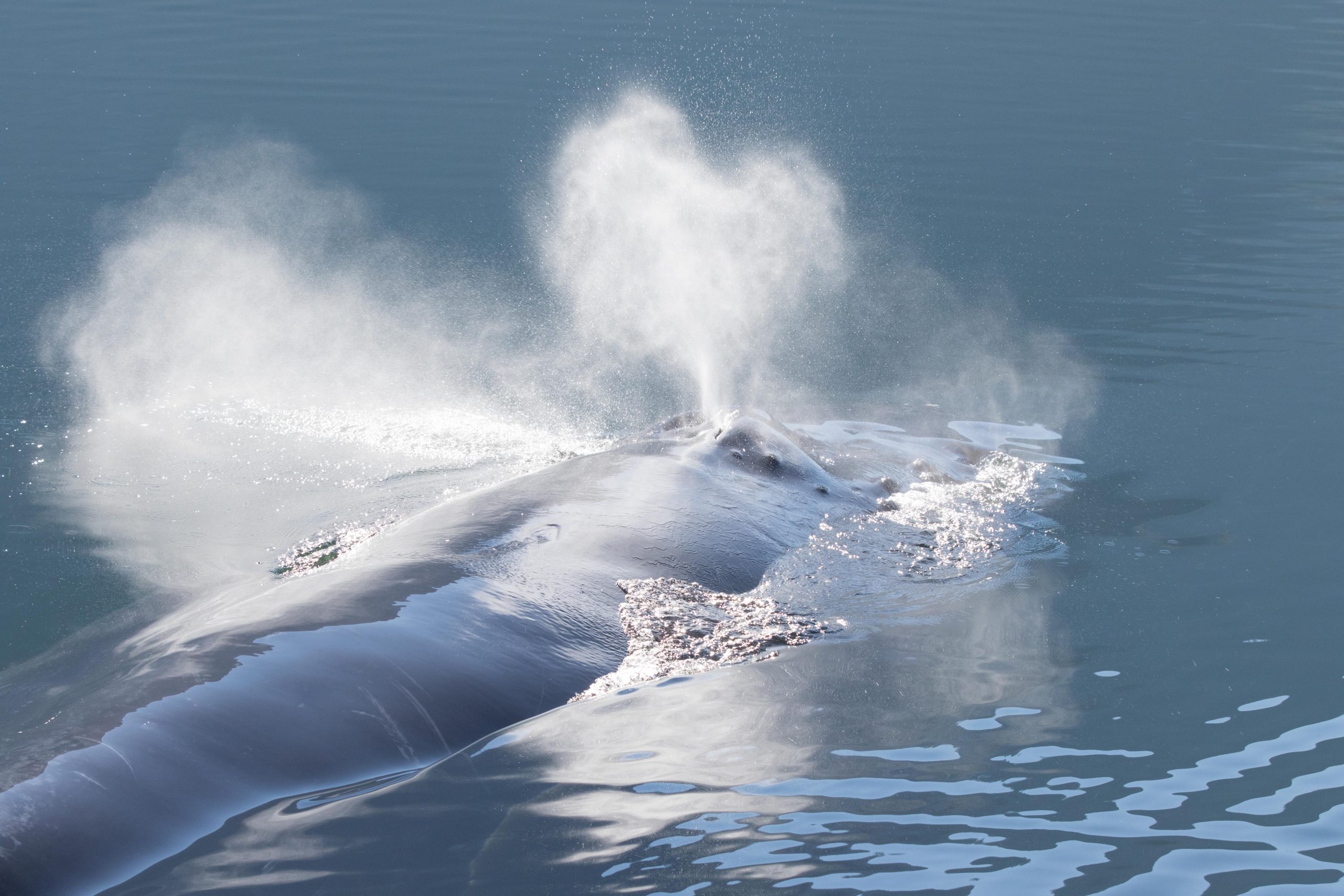
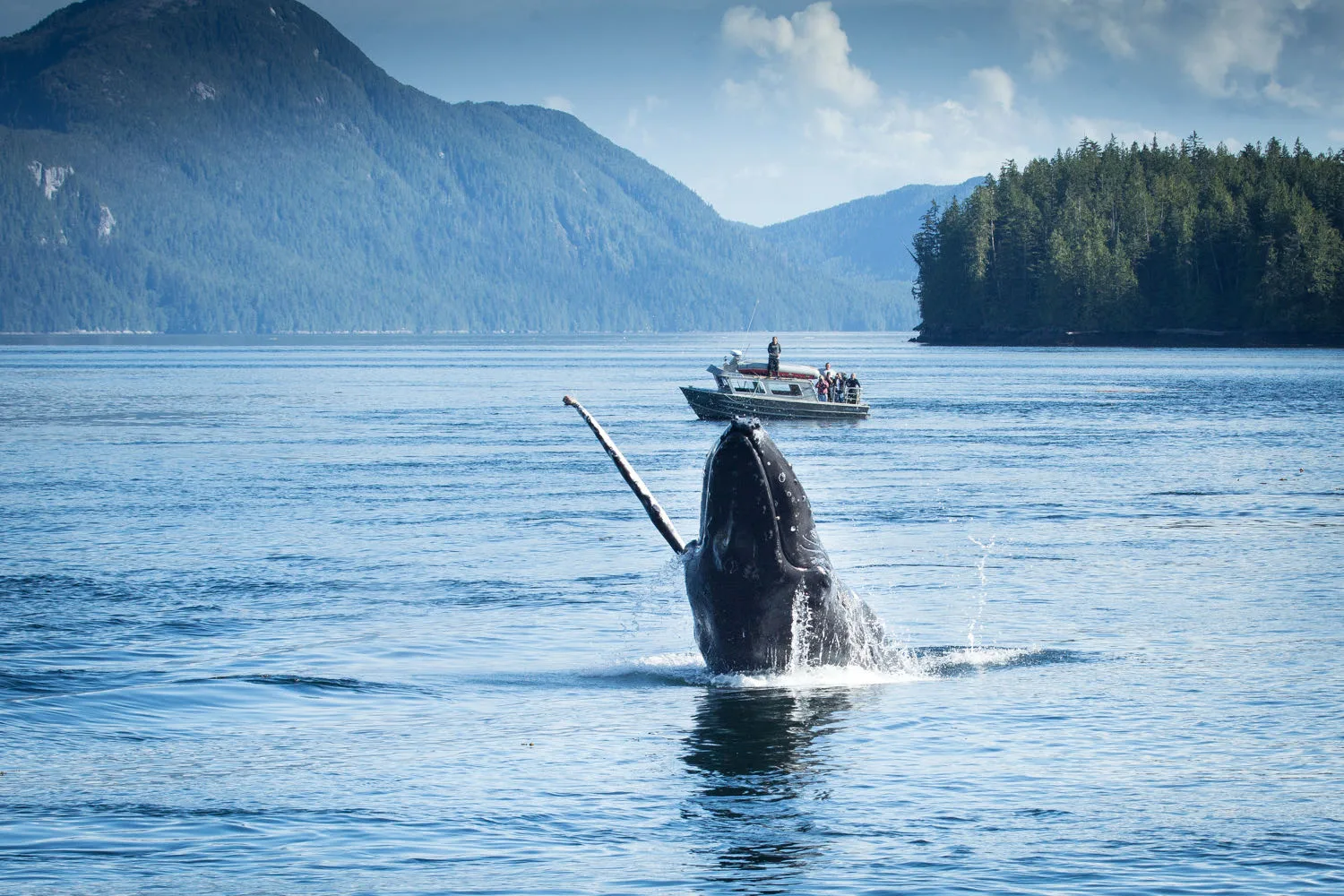
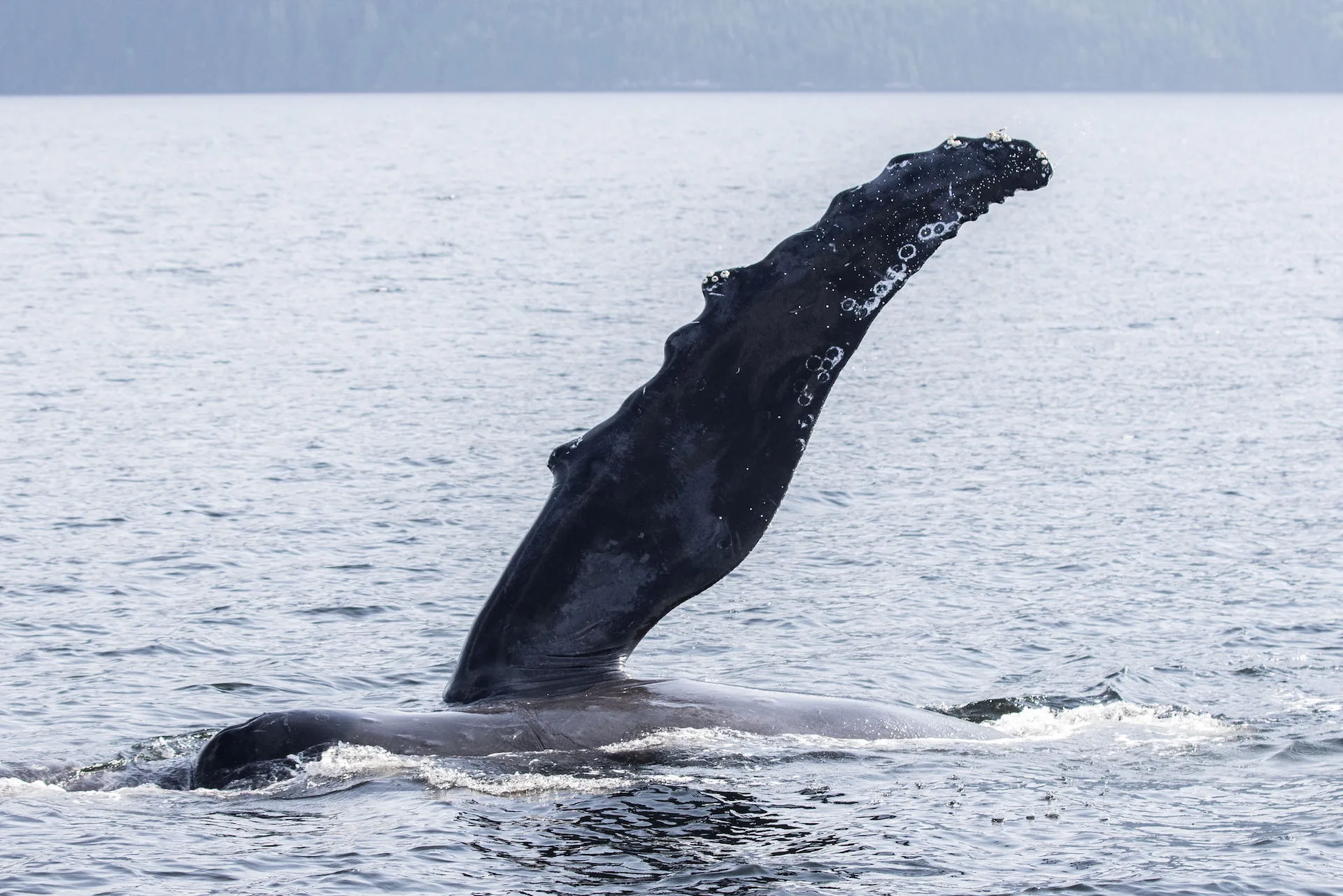
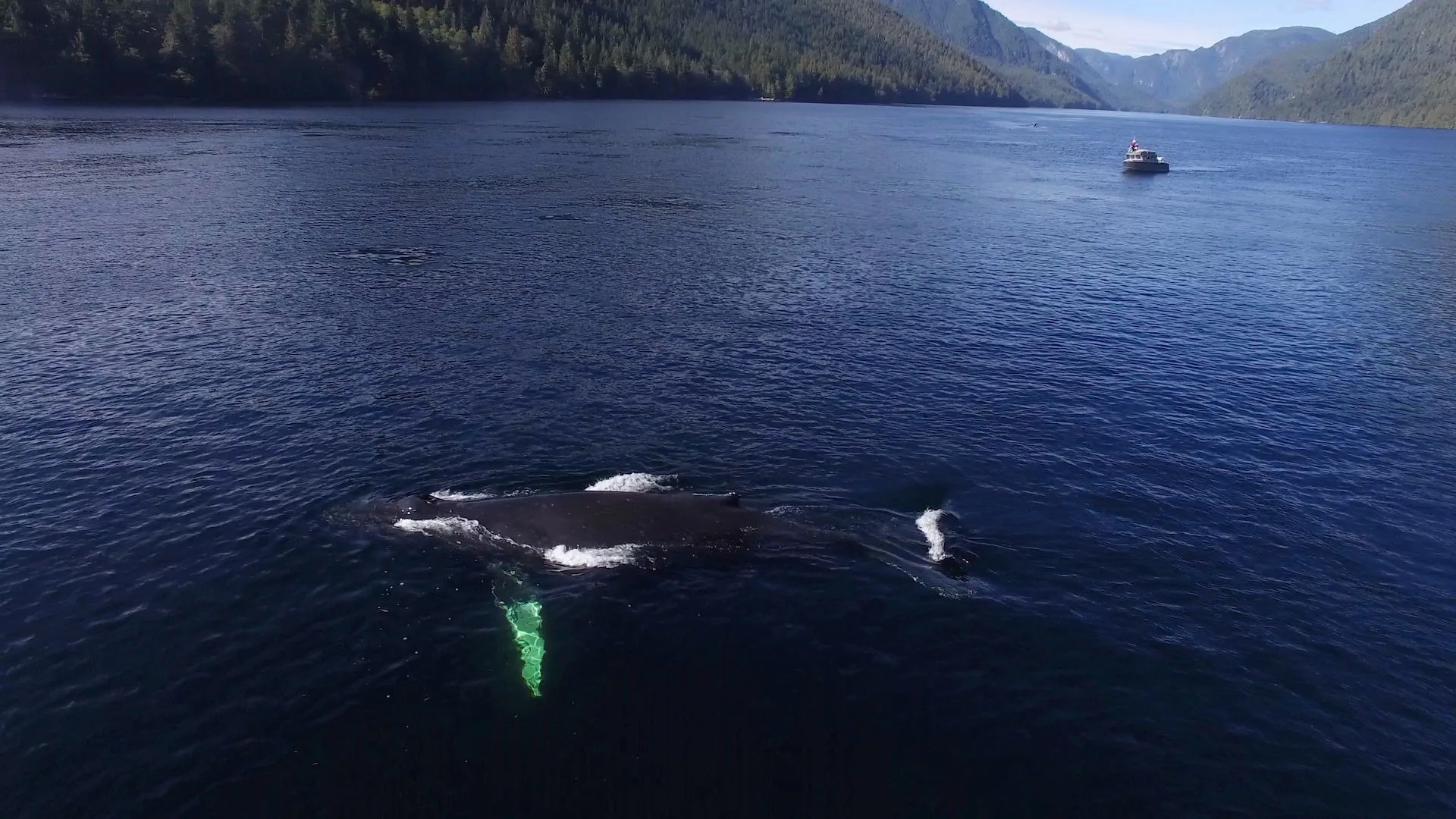

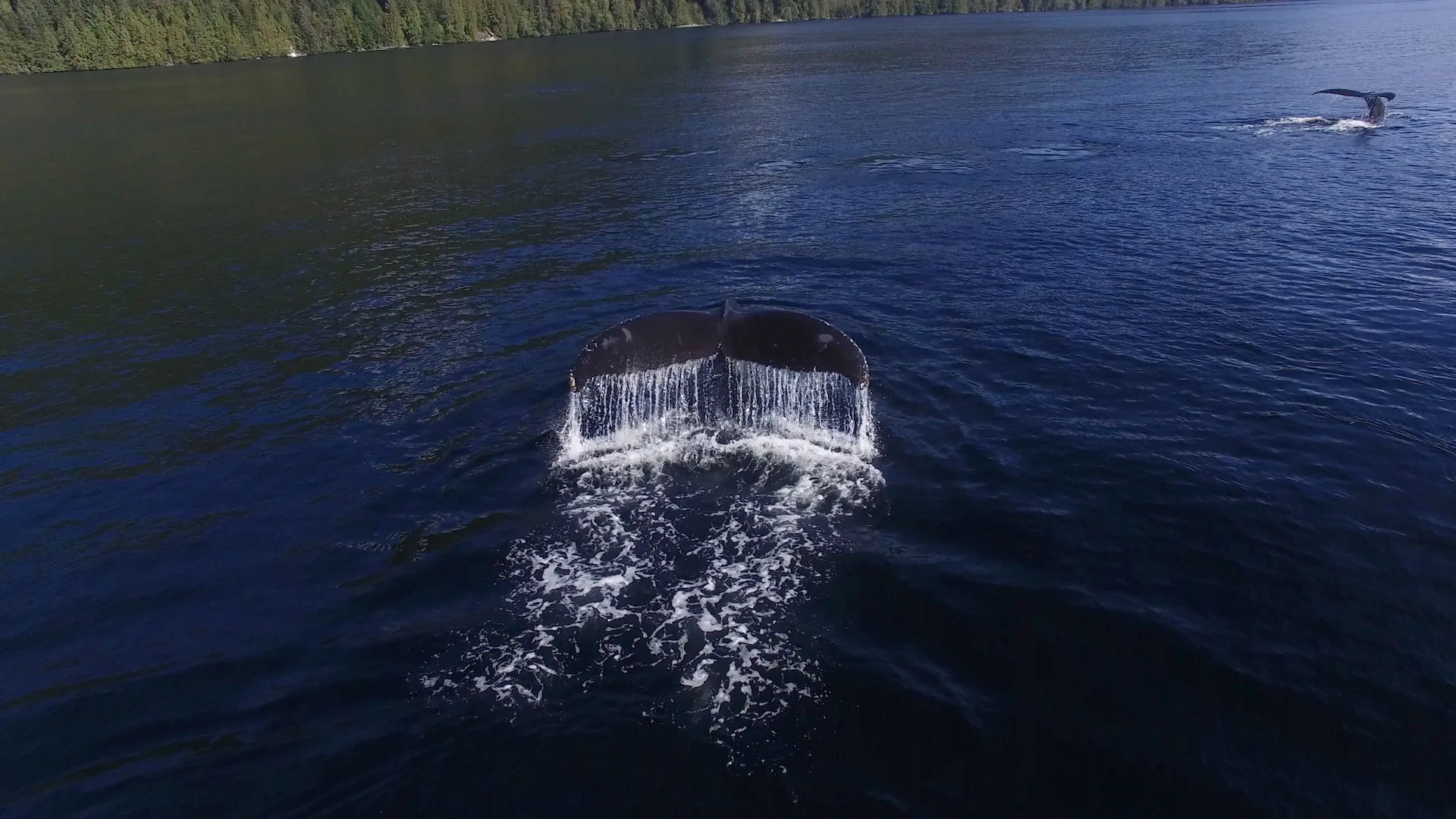
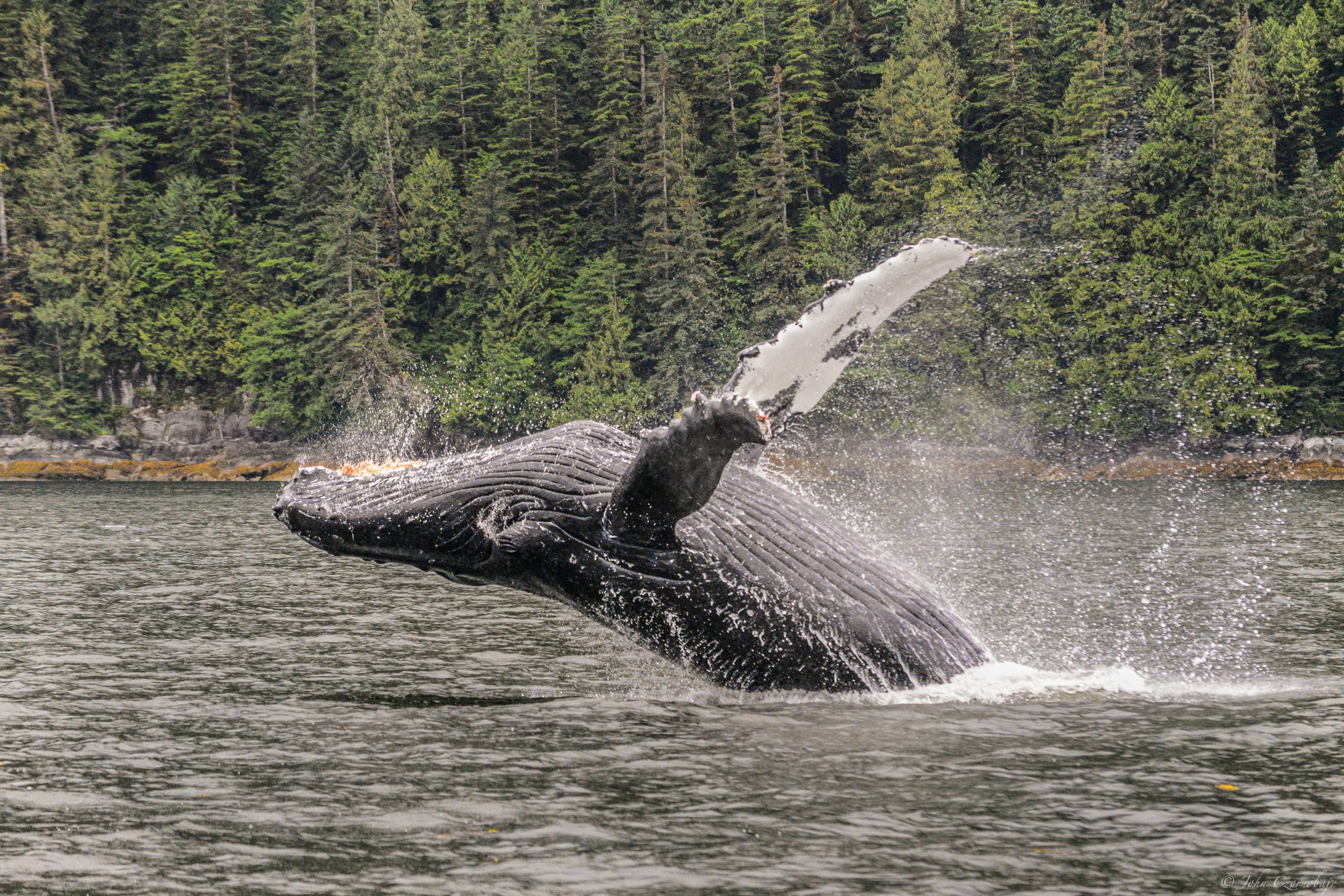
Whales of the Great Bear Sea
I can still remember the first time I saw humpback bubble netting, or the first time I used a hydrophone and heard whales singing. Each time I hear a Humpback whale take a breath I am filled with unending adoration for these gentle giants, and every time I see a Killer Whale’s dorsal fin slice through the water I am filled with awe for these apex predators.
I have worked with whales up and down the coast of British Columbia, but there is something special about the whales we see around Spirit Bear Lodge. Perhaps it is that in nearly every encounter, we are the only vessel in sight, or it could simply be the stunning backdrop of the Great Bear Rainforest. It is our privilege to share this passion and these one-of-a-kind experiences with our guests.
The opportunity to truly be immersed in your surroundings, to experience remote ecosystems and witness wildlife with no other people around you is one that the lodge excels at providing. Spirit Bear Lodge has worked hard to implement low-impact tourism and sustainable operations. One benefit of being so remote and operating in a territory with regulated tourism is being able to witness wildlife alone with no other vessels competing for viewing opportunities. This means whales and other wildlife aren’t surrounded by boats and people; they aren’t as stressed, disrupted, or displaced by industry. This allows us to witness much more natural behavior.
Humpback Whales: The Comeback Story of the BC Coast
We are so lucky to spend time with humpbacks almost every day at the Lodge. The BC coast wasn’t always like this. There was a time when humpback whales were hunted to near extinction when commercial whaling was at its peak. Gradually, Pacific humpback populations have been increasing and becoming abundant along our coast once again. This story is sweetly referred to as the ‘Humpback Comeback,’ and it’s a story of hope, success, and resiliency. It shows that even when faced with near extinction, a species can be resilient and strong enough to recover and adapt. This is the hope that we need when we face our ever-changing political and climatic challenges. It shows that if humans make changes, nature can adapt and recover. Because of the once-depleted population, I appreciate each humpback that I see, and I remember that it is a gift to witness these whales.
Humpback whales are migratory whales. They come north to our cold nutrient-rich waters in the summer to build fat reserves and eat as much as possible — around 1.5 tons of food per day, often returning to the exact spots their mother took them in their first year. As winter approaches, whales rely on their individual biological clocks and environmental cues and begin to migrate south to their breeding grounds. Most whales we see at the lodge will head to Mexico or Hawaii. In their winter homes, whales fast, breed, give birth, and migrate again on an empty stomach. They repeat this process each year.
Bubble Net Feeding Technique
It is especially exciting to watch whales in our area because we get to observe unique feeding techniques such as bubble net feeding- a social and collaborative technique where whales surround and corral prey by blowing bubbles in a spiral under the water and lunge to the surface to feed.
This technique is quite a sight to see! It is a learned behaviour, taught from whale to whale, only found in a few populations around the world; it is not an instinctual behaviour. While bubble netting, the whales produce this loud repetitive call that we can listen to through our hydrophones.
Using our hydrophones is another way we can slow down and really take in our surroundings. One area that we visit is a social ground for humpbacks; they congregate in high numbers and spend the day socializing and singing. Each year, male humpbacks compose a new breeding song. Through ongoing research and data collection, it is being discovered that this particular spot may be a critical location in song creation for these whales. How incredible!
Why Whales Matter
If I haven’t already convinced you that whales are awesome, let me tell you how they are important for your own health and well-being.
Humpback whales play a role in carbon sequestration and oxygen production in an interesting cycle, often referred to as the ‘whale pump’. In simple terms, Humpback whales feed at depth on fish and krill, and bring nutrients to the surface through their waste, which fertilizes phytoplankton. Phytoplankton creates the base of the marine food web and absorbs carbon dioxide, photosynthesizes and ends up producing around 50% of our oxygen.
Whales, due to their size, are able to store massive amounts of carbon. When whales die and sink to the sea floor — this is called ‘whale fall’ — that carbon becomes trapped in sediment and the nutrients are consumed by a whole other deep-sea ecosystem, which helps keep excess carbon out of the atmosphere.
Whales contribute to keeping our oceans healthy and balanced. Healthy oceans = healthy humans! Not only do they play a vital supporting role in oxygen production and carbon sequestration, which helps to mitigate climate change, but they also inspire new technology through biomimicry. Engineers have designed things like wind turbines, airplane wings, and fan blades after humpback whales’ pectoral flippers- their leading edge has bumps or ‘tubercles’ that increase lift and decrease drag in the water, which helps them maneuver and keeps them agile as they navigate marine environments.
They are inspiring this new wave of technology that is cleaner, more efficient, and more cost-effective, creating more sustainable practices that are helping to mitigate the effects of climate change.
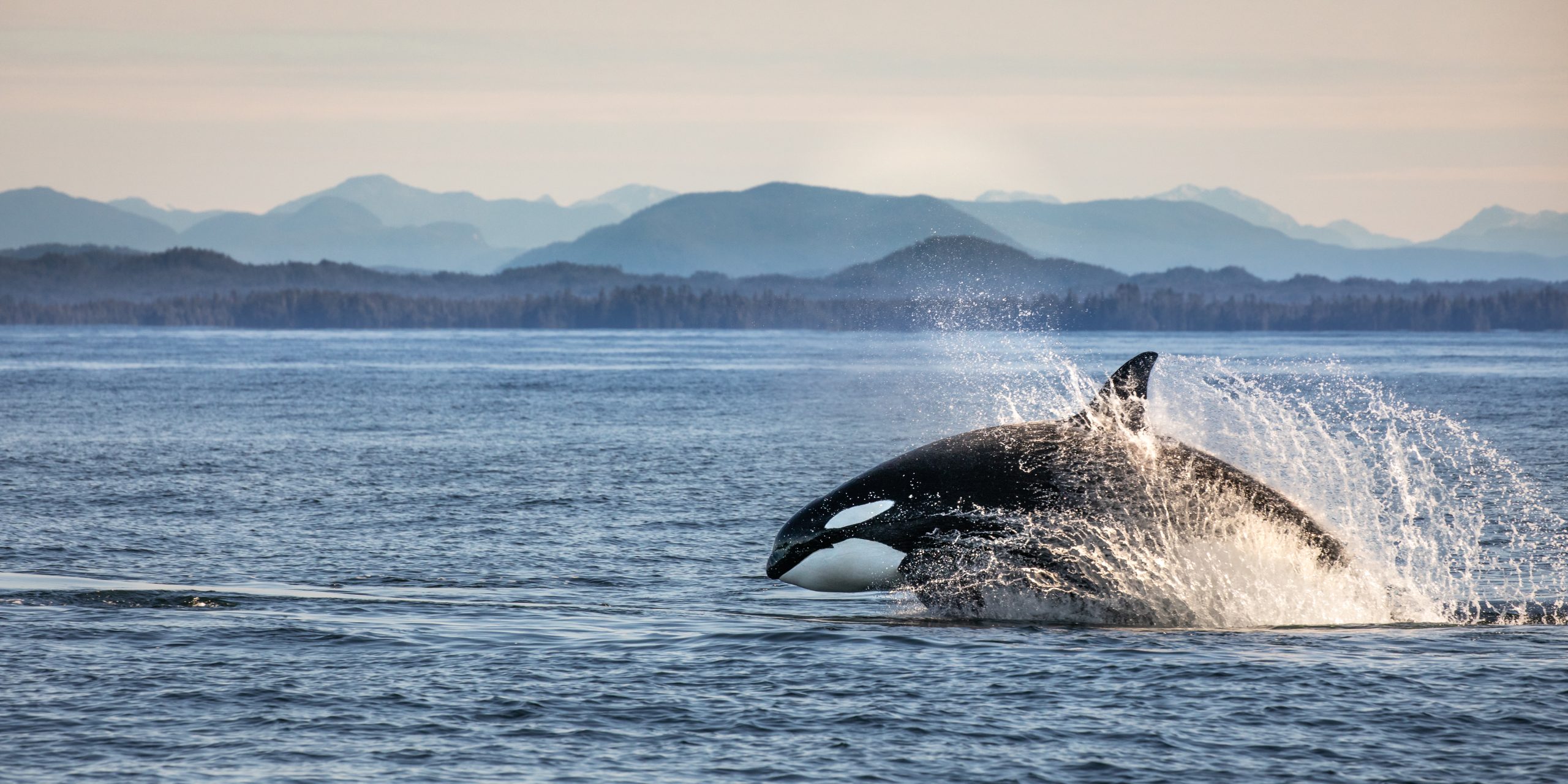
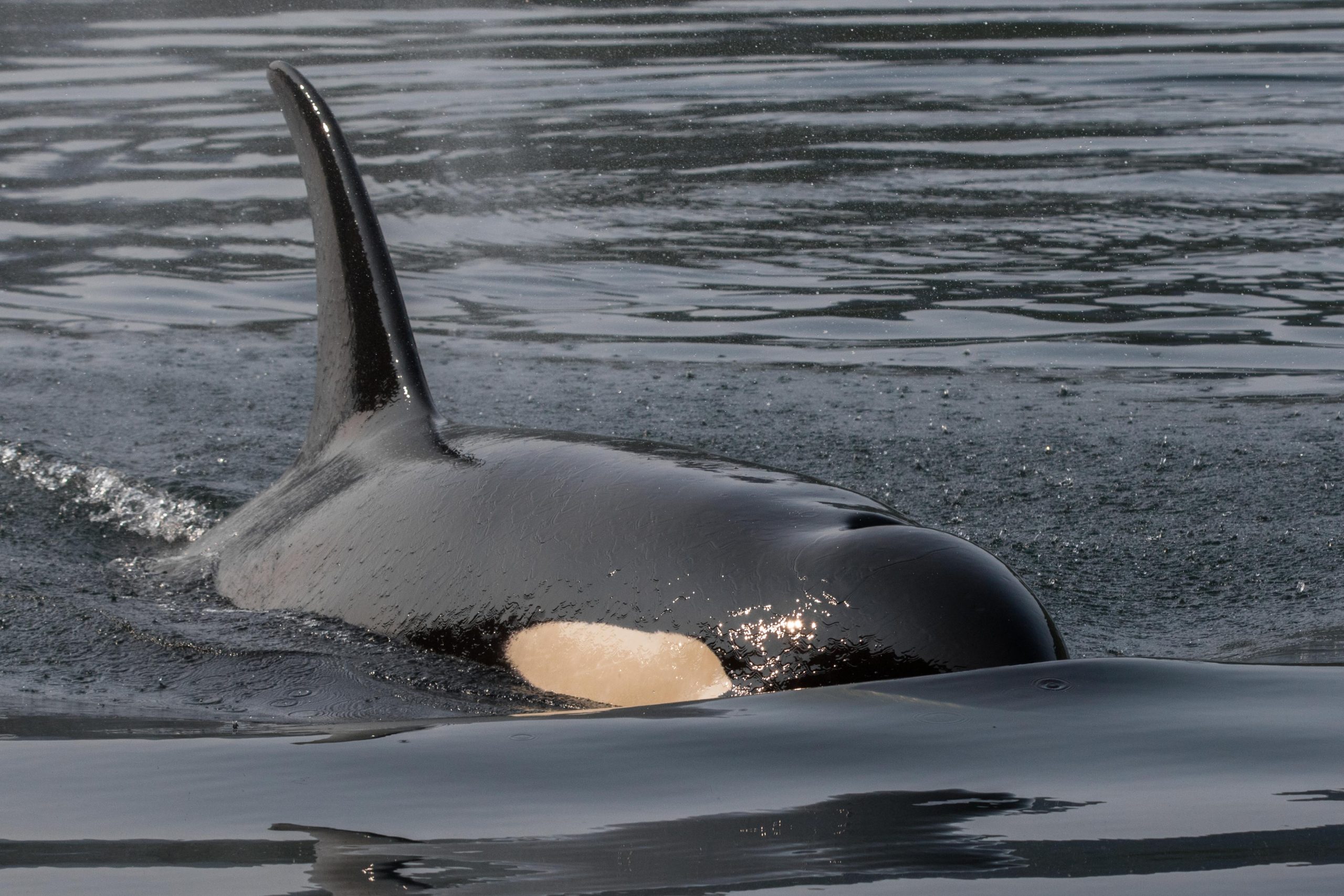
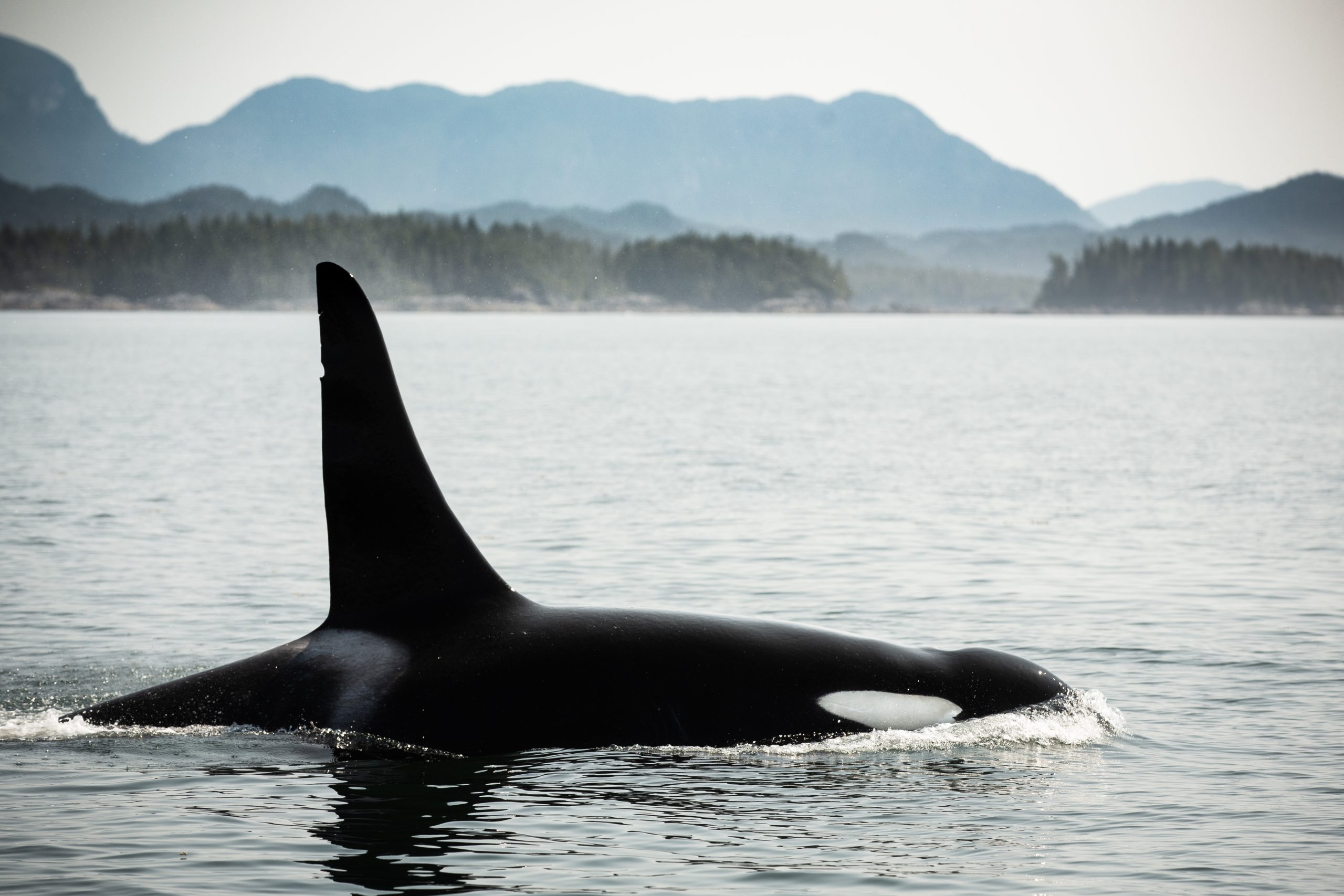
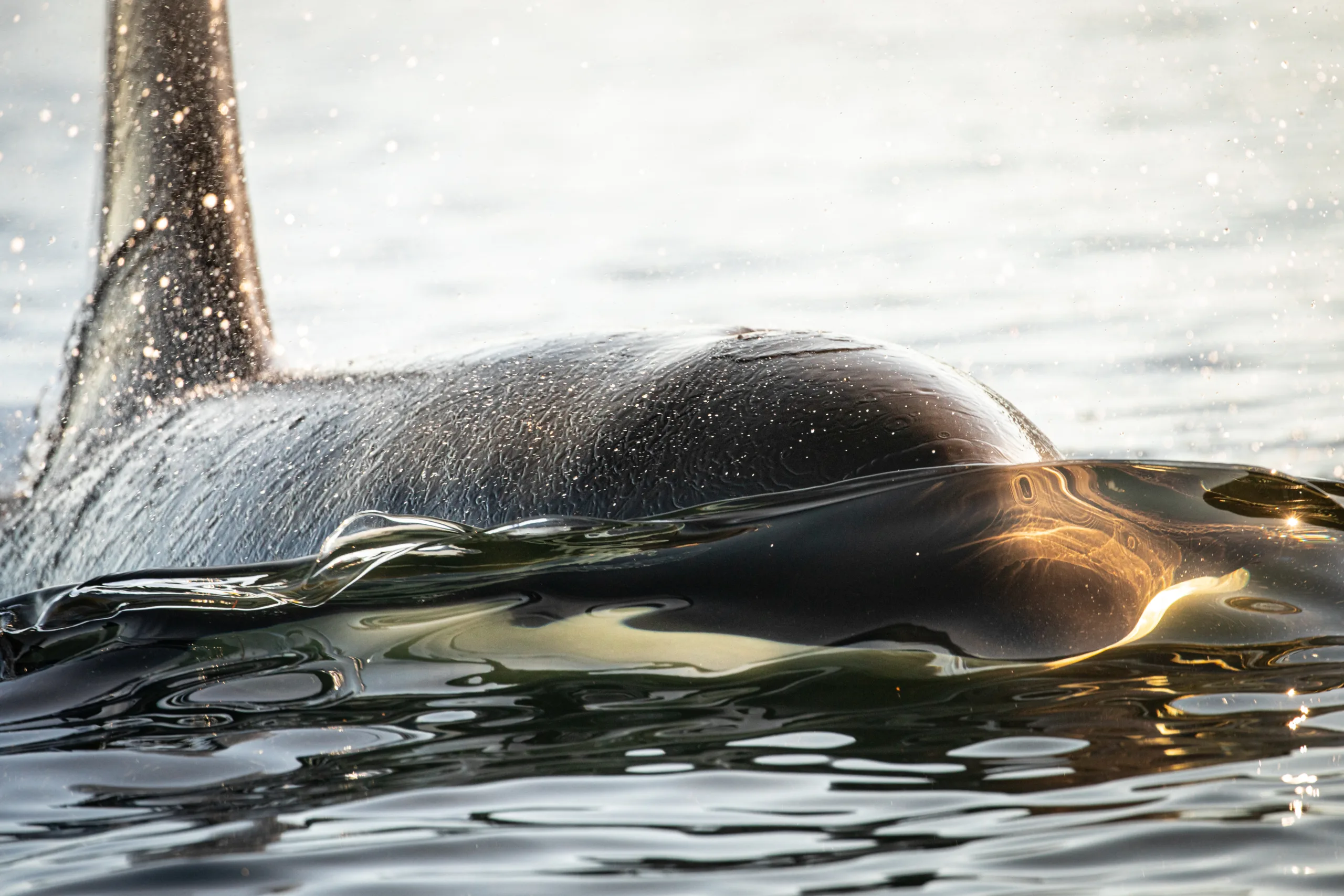
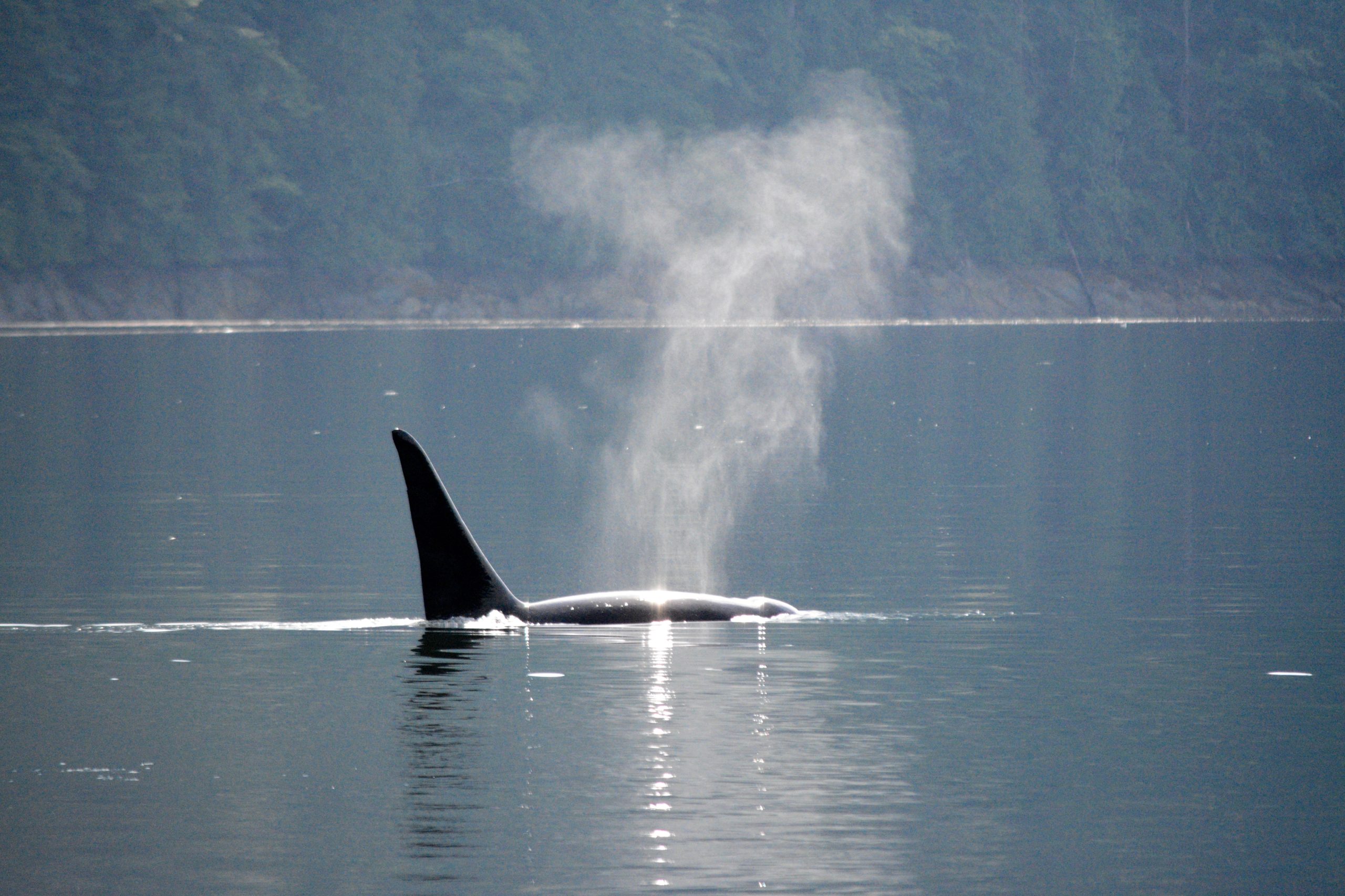
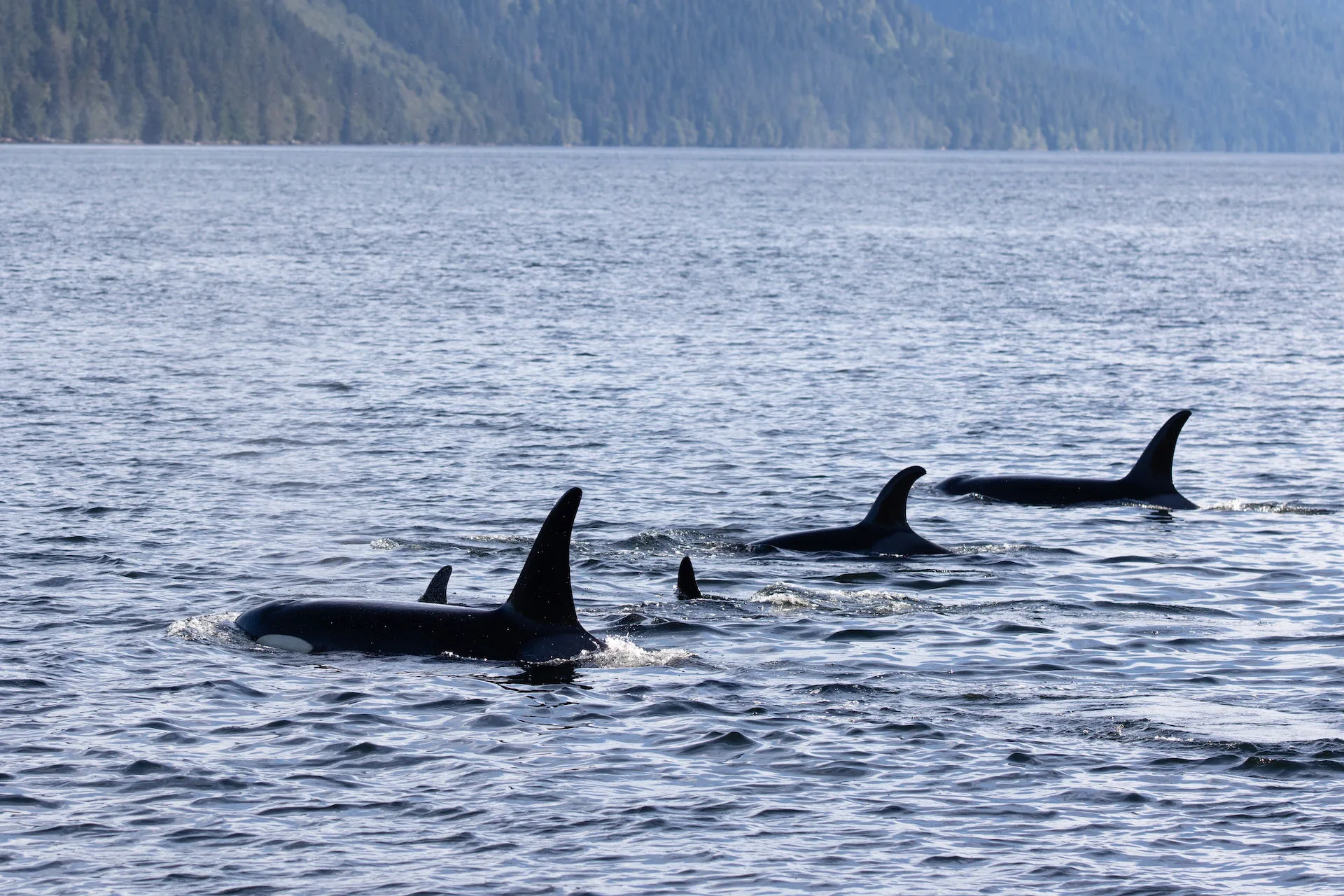
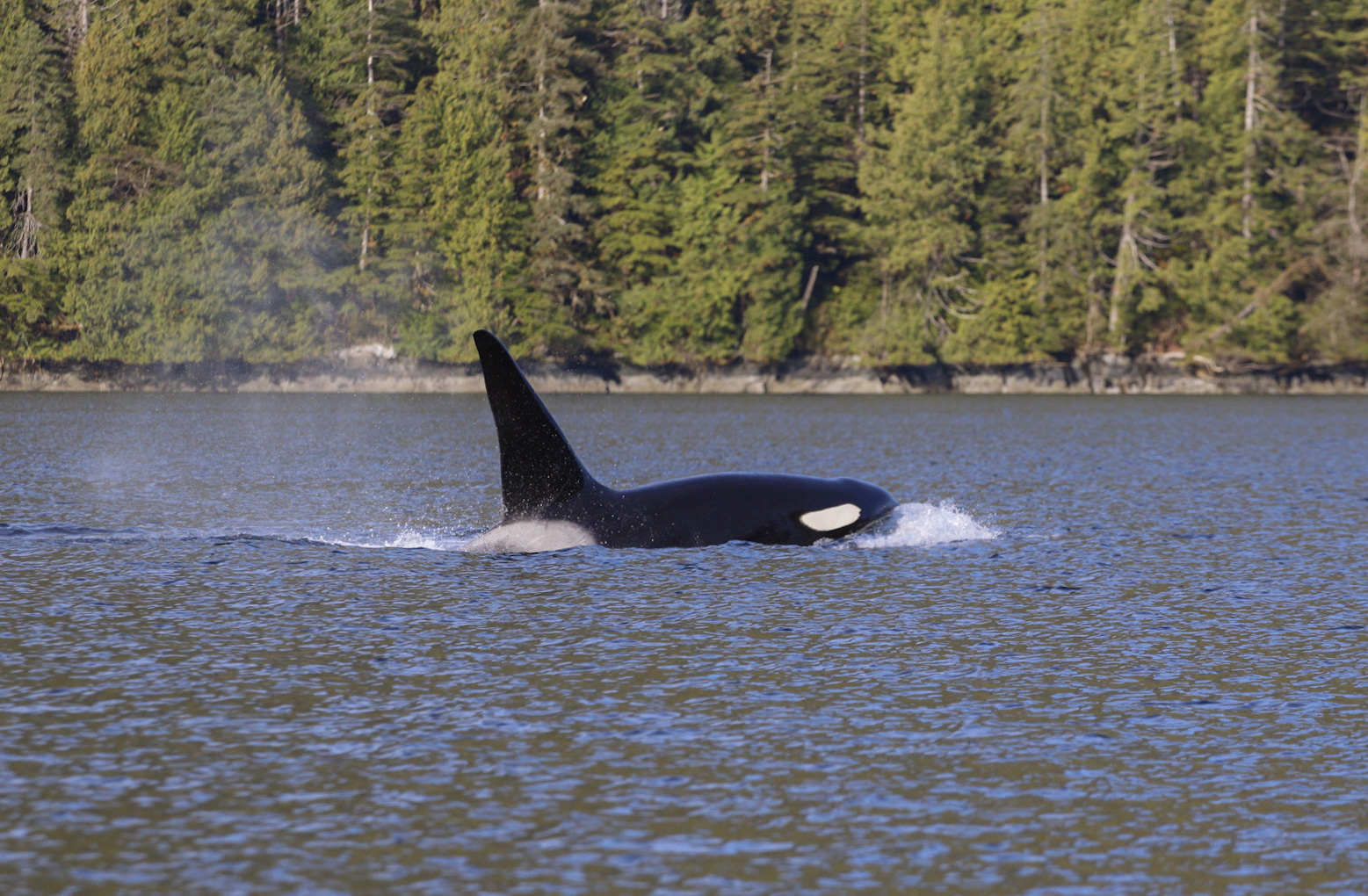
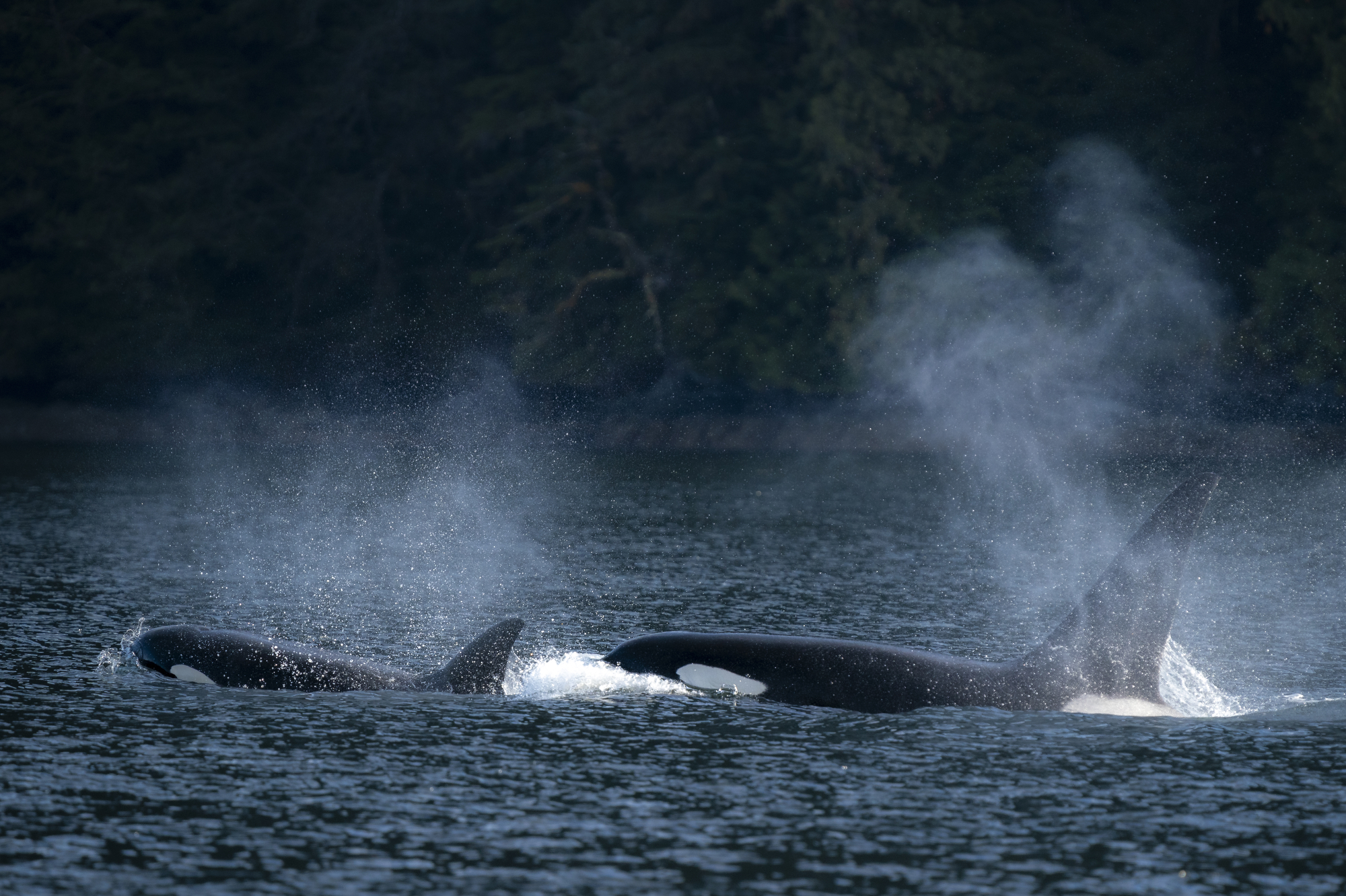
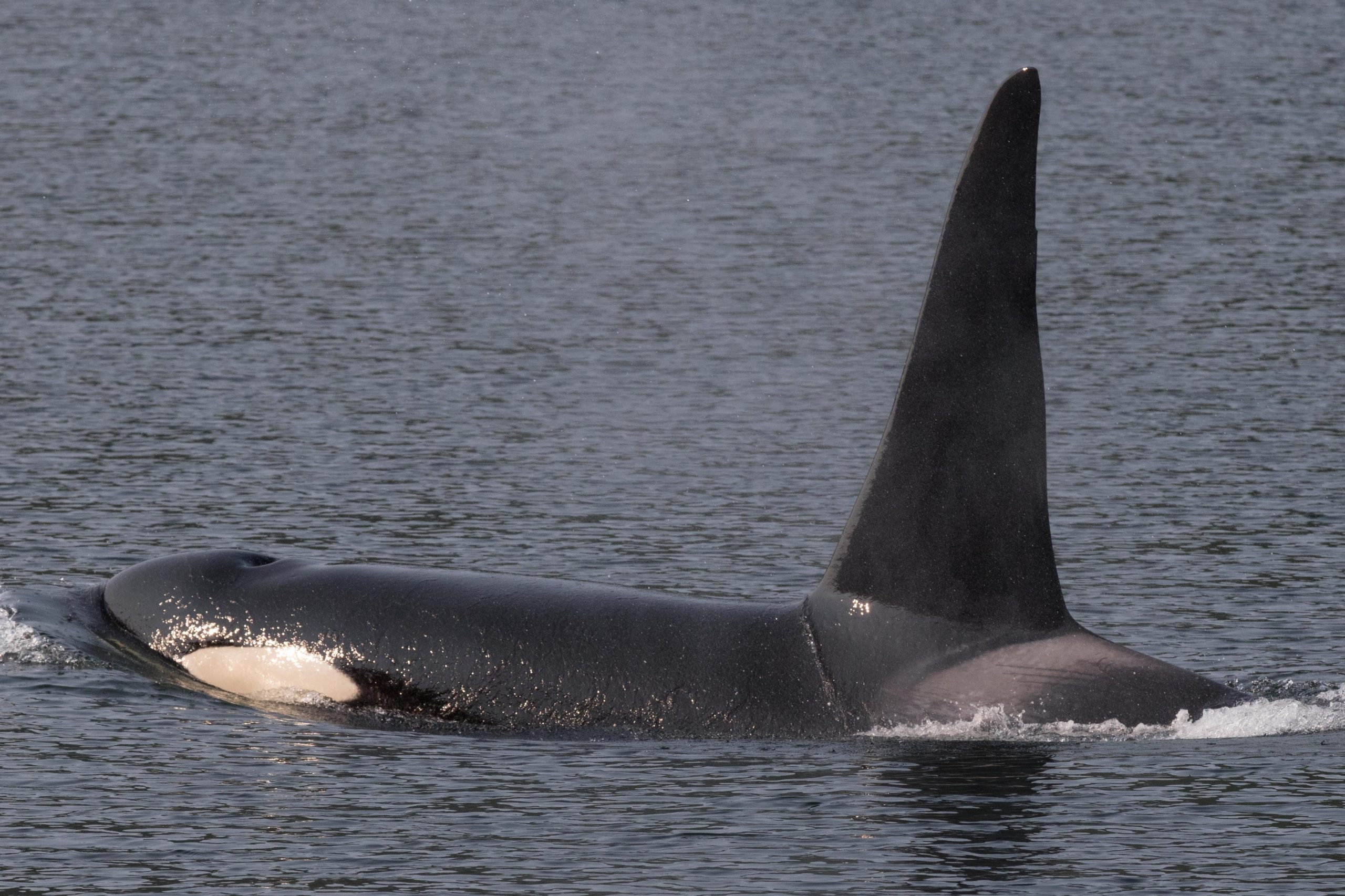
Killer Whales & Orcas: Apex Predators of the Great Bear Sea
At Spirit Bear Lodge, there is also a chance to see the ocean’s apex predators, Killer Whales. Orcas are found in all of the world’s oceans and have 10 ecotypes. Each ecotype is different, with varying diets, behaviors, languages, culture, physical & biological characteristics, and genetics.
Generally, we have the chance to see 2 ecotypes on our tours, Resident (fish-eating orcas) and Bigg’s/Transient (marine mammal-eating orcas).
Getting to see any ecotype of Orca is always a special and memorable experience. Killer whales have some of the most complex social structures and cultures of any species. Here at the lodge, when we are treated to an Orca sighting, we get to catch a glimpse of just how incredible they are. These whales are highly intelligent creatures. Recent research is showing they have a huge capacity for emotional processing, empathy, and self-awareness, with a more complex brain structure than humans. They have also now been recorded manufacturing and using tools to groom each other and are being seen provisioning or offering prey to humans, even waiting and observing human responses before reacting.
Killer whales not only have ecological importance, but they are also spiritually and culturally significant to many First Nations along the coast. Because Spirit Bear Lodge is indigenous-owned and operated, visiting us means being immersed in culture. On our tours, we learn about the land, the sea, and the people who stewarded it for time immemorial.
Plan Your Visit: Whale Watching at Spirit Bear Lodge
We aspire to share our passions with our guests every day, to educate, to inspire. Ecologically, the Lodge is located in one of the richest, most incredible ecosystems in the world. The wildlife viewing is unmatched. You get to observe ecosystems as a whole, unfragmented, and wild. You see the interconnectivity of everything: the whales, the salmon, the trees, the lichen. Each species plays a role in ecosystem health and balance. Learning about these species and their purpose helps us feel connected, and it pushes conservation efforts forward around the world.
Our goal at the lodge is to help our guests slow down, to notice the things that surround them, and to gain a deeper understanding of culture, history, wildlife, and conservation. One simple way we can do that is to stop for a moment and listen to a whale singing, or watch as a family of orcas slowly travels along the coast, and do it all respectfully and sustainably.